
Every May 11, India pauses to remember a morning in 1998 when a mission codenamed Operation Shakti, where Indian scientists detonated three nuclear devices underground, one fusion and two fissions, followed by two more on May 13. Prime Minister Atal Bihari Vajpayee declared India a full nuclear state. Sanctions followed from the United States, Japan and several European nations. Within India, the response was something else entirely.
What tends to be forgotten is that May 11 brought two other achievements alongside the tests. India’s first indigenously built light aircraft, the Hansa-3, completed its maiden flight from Bangalore that same day. The Trishul missile was also successfully tested. Three breakthroughs in a single day, led in large part by Dr. A.P.J. Abdul Kalam and Dr. R. Chidambaram, the chief coordinators of Shakti. The following year, Vajpayee officially declared May 11 as National Technology Day in their honour.
In 2026, the occasion carries a different kind of weight. The theme, Responsible Innovation for Inclusive Growth (YANTRA), is a direct acknowledgement that technology in India has a distribution problem. UPI processes transactions for over 460 million users. Indian startups number 126 unicorns. The country has sent missions to the Moon and Mars. Yet a significant share of the population remains offline, rural schools still lack digital infrastructure, and the promise of artificial intelligence reaching every corner of the country is far from fulfilled.
National Technology Day this year does not simply look back at how far India has come. It asks, plainly, how many people the journey has actually carried with it.
Voices of Technology Leadership
Staying true to this year’s call for responsible and inclusive innovation, Tech Disruptor Media presents perspectives from technology leaders across the country, who share what this day means to them and the industry they are shaping.
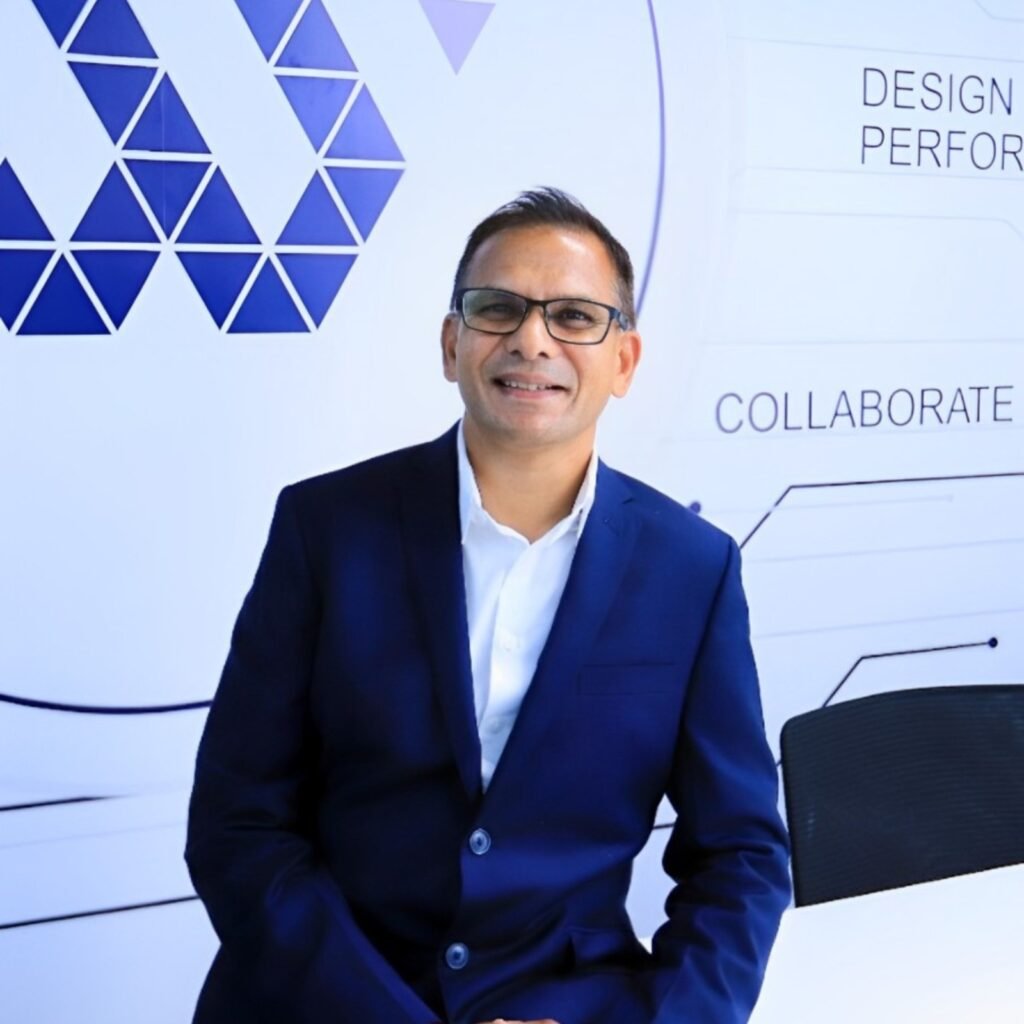
Raghu Pareddy, Founder & CEO, Wissen Technology said, “India’s technology ecosystem is entering a significant phase of transformation, driven by the convergence of AI, digital engineering, cybersecurity, and intelligent automation. Organizations today are increasingly moving beyond experimentation and focusing on building scalable, production-ready AI systems with strong emphasis on governance, security, and trust. India’s strength lies in its robust digital infrastructure, deep engineering expertise, and ability to deliver technology solutions at global scale. Going forward, responsible AI adoption, digital trust, and innovation-led collaboration will play a critical role in accelerating sustainable growth and further strengthening India’s position as a global technology hub.”

Ayush Jhawar, Founder & CEO, Genefied elucidated, “On National Technology Day, it’s worth remembering that technology’s true power lies not in disruption, but in building trust, transparency, and accountability across complex supply chains. As industries like FMCG, automotive, agriculture, construction materials, apparel, footwear, paints, chemicals, lubricants, and auto components scale rapidly, the need for intelligent, data-driven systems to ensure product authenticity, traceability, and meaningful consumer engagement is only growing stronger. The next wave of innovation will be defined by how seamlessly technology connects manufacturers with end consumers, creating safer markets and more informed choices.”

Vivek K Singh, CMD, SNVA Veranda added, “AI and other emerging technologies are no longer just a future concept, they are actively transforming how businesses work, how customers engage and economies boost. In this fast-changing era, digital trust and cybersecurity are no more negotiable pillars of sustainable growth, they have become the fundamental baseline. India’s transformation in digital public space highlights a strong model of combining scale with inclusivity, enabling millions to participate in the digital economy. For organisations, the real opportunity lies in leveraging these technologies to drive efficiency while building trust-based, customer-centric ecosystems. As we move forward, the focus must be on generating solutions that are safe, easily accessible, and adaptable to multiple user needs. The next stage of growth will be led by those who can use technology responsibly while making sure that innovation remains inclusive and impactful at every stage.”

Dr. Ramesh Sinanan, President, Birchwood University, discussed, “As we stand at the intersection of AI, cybersecurity and digital trust, it seems very clear that the future of global development will not be known just for innovation but for responsible innovation. Modern-aged technologies are changing economies at an unprecedented speed, but their real ability depends on how securely and inclusively they are implemented. India’s advancement in developing digital public infrastructure shows how technology enables large-scale inclusion while ensuring efficiency and transparency. However, with expanding digital ecosystems, the value of cybersecurity and trust become essential. Higher Education Institutions have an important role to play in preparing professionals that are not just technically skilled but also morally grounded. The next phase of technology growth will belong to countries that can balance innovation with resilience and scale with security.”

Ashish Sahni, Chief Technology Officer, IDfy said, “As India celebrates National Technology Day, the conversation must shift from simply building digital platforms to fiercely protecting them. At IDfy, we view advanced AI as the critical defense securing India’s rapidly expanding digital economy. We deploy machine learning not merely as an operational tool, but as a proactive shield. By executing microscopic forgery detection and robust AI-powered liveness checks, we neutralize sophisticated threats, like deepfakes and synthetic identities, before they compromise the system. India’s Digital Public Infrastructure has driven unprecedented financial and social inclusion. The next frontier in our tech-led growth relies entirely on establishing absolute digital trust within these ecosystems. By delivering frictionless, automated verification, IDfy ensures genuine users are empowered while malicious actors are decisively blocked. The future of India’s digital economy isn’t just connected; it must be verifiable, scalable, and uncompromisingly secure.”
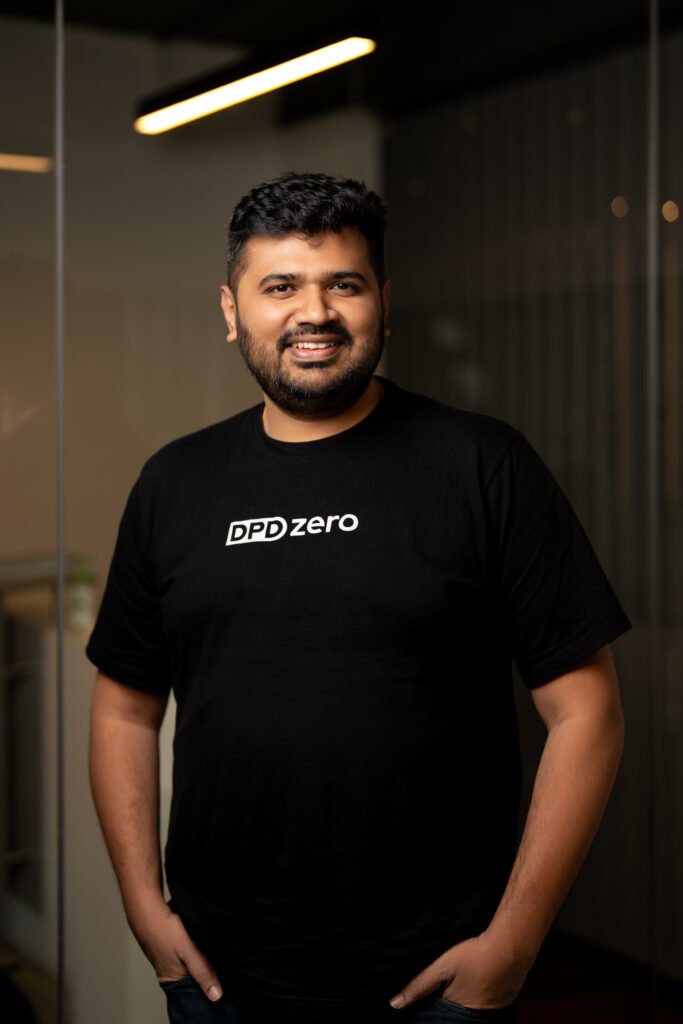
Ranjith B.R, Founder & Chief Technology Officer, DPDzero mentioned, “DPI is India’s biggest tech story of the last decade. We have seen a transformative impact with Aadhaar, UPI, DigiLocker, and BBPS. As we step into the AI era, there is a tremendous opportunity to build sovereign, cost-effective AI capabilities on top of this stack. Done thoughtfully, this could amplify DPI’s impact many times over. It can unlock a new generation of intelligent public services, from hyper-personalised financial access and smarter healthcare delivery to frictionless governance at scale. With the right collaboration between government and private sector, India has a unique chance to not just adopt AI, but to define how population-scale, inclusive AI systems are built for the world.”

Saravanan (Saran) Balasundaram, Founder & CEO, Han Digital Solution said, “AI is fundamentally reshaping the definition of employability in the Indian IT industry today. For years, the industry scaled on the basis of linear hiring models, where coding ability and execution capacity were primary differentiators. However, today, that model is evolving rapidly. Technology firms in India are no longer hiring for technical skills alone; they are increasingly prioritising AI readiness, learnability, prompt thinking, communication capabilities, creativity, problem-solving, and human oversight skills, commonly known as meta-skills; which are indeed becoming as important as domain expertise itself.”
“As AI automates coding, software testing and support functions, organisations are shifting towards leaner, productivity-led teams. This is one of the key reasons why traditional volume-based fresher hiring models are slowing down across the Indian ITBPM sector. At the same time, professionals with AI capabilities are commanding significantly higher salary premiums, reflecting how rapidly enterprise expectations are evolving. This AI transition is creating new opportunities across AI operations, governance, intelligent automation, cybersecurity, and digital engineering. Going forward, the most valuable technology professionals will not just be those who can code, but those who can think, adapt, collaborate with AI systems, and continuously learn in an AI-native economy,” added Balasundaram.

Ankit Sarawagi, CFO, Verloop stated, “National Technology Day is a moment to reflect on how far technology has shifted from being an operational tool to a core business function. India is at an interesting inflection point, where the scale of digital adoption is running ahead of the infrastructure built to support it. Chatbots are a good example of this. What once existed to handle routine queries now operates across far more complex, real-time interactions. The ROI on these systems is no longer just about cost savings, but about how well they work alongside human teams. We continue to hire and grow people, because technology at its best is not a replacement but a force multiplier for human judgment. In a market as diverse as India, the return on any technology investment will ultimately depend on how consistently these systems serve people across languages, behaviours, and digital familiarity, without losing context or trust along the way.”

Shyam Arora, Founder, Meon Technology remarked, “India’s digital future is being shaped by how responsibly businesses leverage technology. At Meon, we strongly believe that AI, automation, and digital solutions are helping organizations to grow by boosting secure, trustworthy, and customer-first digital experiences. Businesses across India are adopting digital solutions like eKYC, Digital Onboarding, Aadhaar eSign, OCR APIs, CRM platforms, AI chatbots, and WhatsApp Business to make their work easier and improve customer experience. At the same time, cybersecurity plays a crucial role in today’s environment. As most of the companies are moving towards digitalization, solutions like Face verification, Liveness Detection, CKYC integration, PAN APIs, and Digilocker-based verification enable enterprises to verify the authenticity of users, prevent fraud, protect customer confidential data, and meet regulatory regulations. Meon aims to encourage secure and responsible digital transformation across India.”
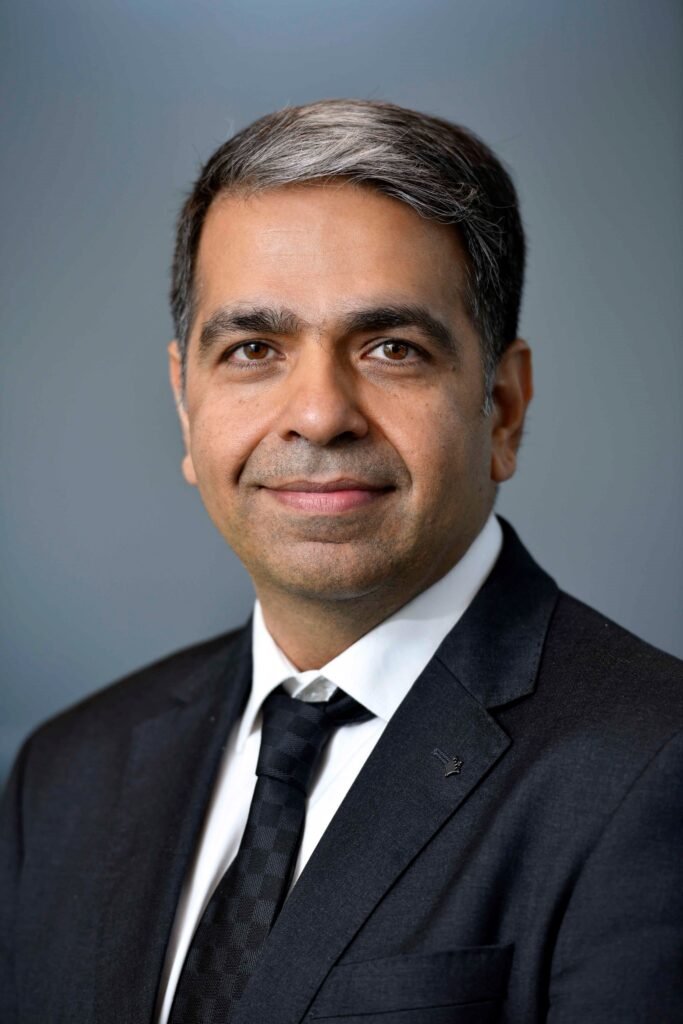
Akshay Chhabra, Chairman & Managing Director, 1Point1 Solutions said, “National Technology Day comes at a pivotal time for India’s digital ambitions and organizations that have moved from considering AI adoption to focusing on effective deployment. The national conversation now focuses on infrastructure, compute, and governance. For businesses at the intersection of human experience and intelligent automation, the key challenge is execution. How do you embed AI into live operations across geographies and languages in ways that are measurable, accountable, and trusted by those who rely on it? This is the challenge we address daily. Across our delivery centres in India and the Americas, AI is the core operating layer, not a pilot. From agentic resolution and real-time quality assurance to live agent assistance and brand compliance, intelligence is integrated into every workflow. The results are clear: faster resolution, greater consistency, and a level of ownership our clients can rely on. India’s competitive advantage in the next decade will depend on organizations that combine technological expertise with the discipline to deploy it responsibly and at scale across diverse markets and use cases, not just on access to technology. On National Technology Day, our commitment remains unchanged: to build systems our clients trust, serve markets that demand excellence, and show that intelligence-led operations can be both ambitious and accountable.”

Sudhir Kunder, CBO, DE-CIX India discussed, “On National Technology Day, India’s digital future is being shaped by the convergence of AI, cybersecurity, digital public infrastructure, and trusted connectivity. As enterprises and citizens increasingly rely on real-time intelligence and data-driven systems, the foundation of progress will be secure, resilient, and neutral digital interconnection. Emerging technologies will only deliver their true potential when built on ecosystems that ensure low latency, reliability, and trust at scale. At DE-CIX India, we see the next frontier of growth in enabling this invisible yet critical digital backbone that powers innovation, strengthens digital trust, and ensures inclusive access across the ecosystem. India’s leadership in the global digital economy will be defined not just by what we build, but by how seamlessly, securely, and inclusively we connect it.”

“This National Technology Day, the industry needs to transition from accelerating adoption of new technologies to aligning these new technologies with the organisation’s strategy for long-term success. The business landscape will be transformed by the convergence of AI, Cloud, and Data Ecosystem. The differentiator will be how well technology is aligned with the organisation’s strategic objectives. Organisations that develop secure, scalable and outcome-focused digital infrastructures will be the leaders of this transformation. As an industry, collaboration and responsible innovation will be essential to maximizing the value of technology and ensuring that it provides efficiency as well as long-term sustainable value. Enterprises that view technology as a strategic enabler will be the leaders of tomorrow,” commented Gopal Patwardhan, Co-Founder & CEO, GTT Data Solutions Ltd.

Anand Basu, Founder, QRKY.ai stated, “National Technology Day reminds us that India’s most enduring technology contributions have come from solving familiar problems in mathematically novel ways, and that’s exactly the territory we operate in. A single QR code can be rendered in over 2.5 billion mathematically valid block configurations, each of them scannable, but only a handful are aesthetically aligned with a given brand or image. Our proprietary AI evaluates the combinatorial solution space in real time and selects the arrangement that most closely matches the user’s chosen image, without ever compromising scannability. The platform is hardware-agnostic, vendor-agnostic, and built to scale from a single artisan merchant to enterprise deployments across millions of touchpoints at a fraction of the operating cost of legacy QR infrastructure. Aesthetics is a deeply personal choice, and our AI is engineered precisely to navigate that subjectivity at scale. This is the proprietary engine that powers the QRKY platform, and it’s exactly the kind of deep-tech IP that India’s National Technology Day was instituted to celebrate.”

Joseph Sudheer Thumma, Global CEO & MD, Magellanic Cloud Ltd. mentioned, “National Technology Day comes at a time when India is moving from digital adoption to building at scale. Globally, most organisations are already experimenting with AI, but the real gap lies in translating that into measurable impact—through integration, governance, and trust. For India, the opportunity is unique. With strong digital public infrastructure and a fast-evolving innovation ecosystem, we can leapfrog into building AI-led systems that are not only intelligent but also secure and inclusive. At Magellanic Cloud, we are seeing this play out across sectors like surveillance, advanced drone technologies, and other high-security, mission-critical environments, where AI is enabling real-time decision-making while demanding higher standards of cybersecurity and digital trust. This is particularly critical in strategic and security-sensitive deployments, where reliability, precision, and resilience are non-negotiable. The next frontier of growth will depend on how well we balance innovation with accountability, and scale technology that is both impactful and resilient.”

Anupam Shrey, Founder, Plutas.ai discussed, “As India accelerates toward a tech-led future, the real opportunity lies in building systems that are not just intelligent but deeply responsive to climate realities. In a world shaped by rising temperatures, erratic rainfall, and increasing environmental uncertainty, AI and emerging technologies must evolve beyond efficiency to enable resilience. The next frontier of innovation will be defined by how seamlessly technology integrates into everyday life, anticipating risks, embedding financial protection, and strengthening trust across ecosystems. True progress will be measured not just by digital advancement, but by our ability to ensure that even the most vulnerable communities are protected, included, and empowered in the face of a rapidly changing climate.”

Rajesh Suryadevara, Chief Innovation Officer, Blue Cloud Softech Solutions Limited, said,“We are living through a rare moment in history where the pace of innovation is matched only by the weight of its consequences. Responsible Innovation for Inclusive Growth captures this truth — that the technologies shaping our future must be built with as much conscience as code, and as much empathy as engineering. The next decade belongs to those who can balance ambition with accountability — harnessing AI to predict illness before it strikes, securing digital trust as carefully as we build digital speed, and ensuring that Digital Public Infrastructure becomes the great equaliser of our time. India is uniquely positioned to lead this shift, blending world-class engineering with a deeply human ethos. For global enterprises like ours, the call is clear: innovate with conscience, scale with empathy, and build technology that does not just transform industries, but elevates lives. That is India’s true next frontier. “

Saloni Jain, Cofounder, Plus91Labs commented, “India’s rise as a technology-driven economy is being defined by a clear shift from participation to leadership. What we are witnessing today is not just rapid digital adoption but the emergence of a distinctly Indian approach to innovation that is built on scale, inclusivity and real-world impact. Technology is no longer operating in silos; it is deeply embedded in how sectors like finance, healthcare, agriculture and manufacturing are evolving to become more accessible, efficient and globally competitive. One of the most significant changes has been in the mindset of businesses. Technology is no longer viewed as a support function but as a strategic lever for growth and resilience. This shift is enabling Indian enterprises to design solutions that are not only relevant for domestic challenges but also scalable for global markets, strengthening India’s position as a credible innovation hub.”

Dr. Ramya Chatterjee, CEO, Solitaire Brand Business replied, “Technology is fundamentally reshaping India’s journey toward innovation, self-reliance, and global competitiveness by creating a scalable and inclusive digital foundation. Initiatives such as Aadhaar, Unified Payments Interface (UPI), and DigiLocker have enabled seamless access to services, reduced transaction costs, and allowed startups to innovate rapidly without rebuilding core systems. This digital public infrastructure has democratized innovation beyond metropolitan cities, fueling entrepreneurship across the country and positioning India as a global model for population-scale technology deployment. At the same time, India’s startup ecosystem is evolving from service-oriented models to deep-tech innovation, supported by initiatives like Startup India.”

Golok Kumar Simli, President – Technology and Innovation, BLS International replied, “The true success of digital transformation lies in how seamlessly and securely services reach every citizen, regardless of geography or circumstance. At BLS International, this principle drives every technology decision we make as we continue enabling visa, passport, consular, and citizen services across 70+ countries for 46+ client governments worldwide. BLS International is steadily advancing its technology ecosystem to make citizen services faster, smarter, and more secure. From AI-driven document intelligence and biometric identity verification to cloud-native platforms, intelligent workflow automation, and real-time operational analytics, our focus remains on simplifying complex processes while enhancing transparency and user experience. We are now deepening the role of Agentic AI, multilingual citizen engagement platforms, and predictive automation capabilities to create more proactive, personalized, and frictionless service delivery models that improve both efficiency and accessibility at scale.”
“At the same time, strengthening digital trust remains central to our growth strategy. As global regulations around data privacy and cybersecurity continue to evolve, we are reinforcing privacy-by-design architecture, sovereign data protection frameworks, and secure compliance-led operations aligned with standards such as GDPR and India’s DPDP Act. We believe the future of digital governance will be shaped by responsible AI and resilient digital infrastructure, where technology not only automates services, but empowers citizens, strengthens governments, and bridges the gap between policy vision and real-world impact,” Simli added.
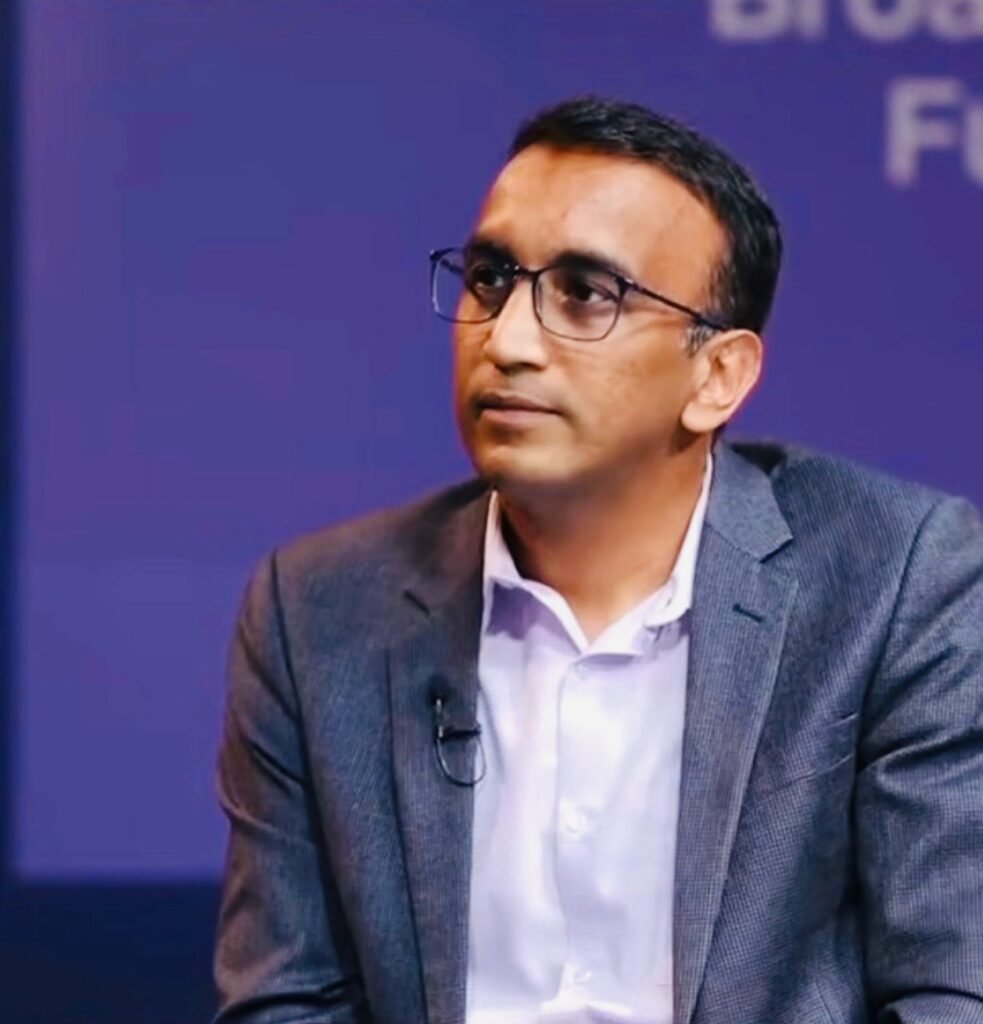
Praveen Bhadada, CEO and Managing Director, Neovay Global said, “Artificial Intelligence is triggering the great refounding of the IT services industry. This is no longer a conventional technology upgrade cycle, but a clear structural reset of how businesses operate, how services are delivered, and how value is created. For decades, the IT services model scaled linearly through people, processes, and delivery capacity. AI is now fundamentally changing that equation. Enterprises are no longer seeking technology partners for execution alone; they are demanding intelligent systems that can automate workflows, compress decision cycles, optimize operations, and drive measurable business outcomes at scale. AI is dramatically reducing operational friction, accelerating transformation timelines, and enabling businesses to move from reactive operations to predictive, intelligence-led operating models.”
“What makes this shift unprecedented is that AI is not just improving processes, it is redesigning them entirely. Businesses are moving away from fragmented workflows toward connected, AI-driven ecosystems where data, automation, and decision-making operate continuously in real time. The future enterprise will not simply be digital; it will be autonomous, adaptive, and intelligence-powered. For the IT services industry, this marks the transition from effort-based delivery to outcome-based transformation. Competitive advantage will increasingly depend on how effectively organizations embed AI into enterprise architecture, modernize legacy systems, and build scalable digital operating models for clients. India has a defining opportunity in this new era. With its engineering depth, digital scale, and enterprise expertise, the country is well positioned to become a global hub for AI-led business transformation. On National Technology Day, one reality stands clear: change is no longer periodic, it is constant. AI is reshaping industries in real time, and the organizations that embrace this disruption with speed, clarity, and strategic intent will define the next decade of global business,” commented Bhadada.

Harkunwar Singh, CEO & Co-Founder, Novatr, said, “On National Technology Day, we celebrate not just what technology has built, but what it continues to build: smarter cities, reliable infrastructure, and a generation of AEC professionals equipped to lead this transformation. At Novatr, we are witnessing firsthand how technologies such as Generative AI, Building Information Modelling (BIM), Computational Design, and Parametric workflows are redefining the way architects, engineers, and construction professionals work and deliver projects. These are no longer future-facing tools; they are being actively used by forces reshaping design, construction, and project delivery today. That’s why we have built our learning programs around the real-world application of these technologies, enabling over 8,000 AEC professionals across 100+ countries to work confidently with automation workflows and data-driven construction practices. As India accelerates toward a technology-driven future, investing in professionals who can harness these specific capabilities is not just an opportunity; it is a national priority.”

Sudiptaa Paul Choudhury, CMO, QNu Labs said, “National Technology Day is a reminder that sovereign innovation, indigenous technologies, and secure digital infrastructure will define India’s next decade of economic and technological leadership. As India accelerates toward becoming a global digital economy, technologies such as AI, quantum computing, cybersecurity, semiconductors, and deep-tech innovation are becoming the foundation of national growth and resilience. Today, every email, financial transaction, and government secret relies on digital encryption. But the rise of agentic AI, Mythos AI, and quantum computing is rapidly reshaping cybersecurity, exposing the limitations of traditional encryption and accelerating next-generation cyber threats. India’s digital future must therefore be built not only on innovation, but also on trust, sovereignty, and quantum-resilient security infrastructure capable of defending against AI- and quantum-driven attacks. India is one of the global leaders in quantum communications and sovereign quantum-safe technologies designed to protect critical infrastructure, defence networks, financial systems, healthcare ecosystems, and citizen data. At QNu Labs (world’s only full-stack sovereign quantum cybersecurity company), our vision is to become the Global Trust Platform for the AI and Quantum-Safe Future through indigenous, unified quantum security technologies combining quantum physics and advanced mathematics designed in India, built for the world.”

Lalit Agarwal, Founder & Director, ID Consulting (Alankit Ltd) said, “India’s digital identity ecosystem has moved far beyond basic verification and is now becoming an important part of the country’s digital infrastructure. From banking and public services to everyday digital transactions, identity today is enabling smoother and more connected experiences for citizens. Technologies such as smart cards, secure cloud systems, and stronger data protection frameworks are helping make these systems more reliable, accessible, and scalable. As digital adoption continues to grow, building trust, security, and inclusion will remain equally important. India’s scale and pace of innovation give it a strong opportunity to lead the next phase of global digital infrastructure development.”

Abhinav Parashar, Co-Founder and CEO, Digio discussed, “As India accelerates toward a digitally empowered future, the focus must shift from innovation at scale to innovation with responsibility. Technologies such as AI, digital public infrastructure, and intelligent automation are redefining how citizens and businesses access essential services, but their true impact lies in building trust, accessibility, and inclusion at every touchpoint. India’s digital growth story is unique because it is rooted in creating scalable, secure, and interoperable systems that support seamless and trusted digital interactions. In this evolving ecosystem, digital onboarding and KYC are becoming critical enablers of secure access, helping businesses deliver faster, compliant, and frictionless experiences to users. At Digio, we believe the next frontier of tech-led growth will be driven by technologies that simplify compliance, strengthen digital trust, and improve access for businesses and consumers alike. Responsible innovation, aligned with DPDP principles, backed by strong cybersecurity and user-centric design, will be critical in ensuring technology continues to drive inclusive and sustainable progress for the nation.”

Chirag Shah, Founder & CEO, Pulse said, “India is entering one of the most defining phases of its digital evolution, where AI, emerging technologies, and digital public infrastructure are not just accelerating innovation, but fundamentally transforming the way economies, businesses, and societies operate. We are witnessing a shift from digital adoption to digital acceleration at scale, and this presents an unprecedented opportunity for India to emerge as a global leader in trusted and inclusive technology innovation. However, the true potential of this transformation will depend on our ability to build secure, resilient, trusted, and equitable digital ecosystems. In an increasingly connected world, cybersecurity and digital trust are no longer supporting functions, they are strategic imperatives that will determine the pace and sustainability of future growth. At the same time, responsible and inclusive access to technology will be critical to ensuring that innovation creates meaningful impact across every segment of society. India’s next frontier will be defined by how effectively industry, government, and innovators work together to create technology-driven growth that is scalable, trusted, and built for long-term societal progress.”

Priyanka Swain, Senior Director – Engineering, Tally Solutions added, “As we mark National Technology Day, the conversation around AI has matured from hype to hard execution. AI will play a defining role in shaping the future of India, and more so for the country’s small business ecosystem, but its true value will come from making technology intuitive, trustworthy, and outcome driven. At Tally, we believe AI should not add another layer of complexity for businesses; it should simplify decision-making, reduce effort, and help entrepreneurs focus on growth. The opportunity lies in embedding AI seamlessly into everyday business workflows — from accounting and compliance to insights and automation — in a way that feels natural and reliable. India’s scale and diversity also demand AI solutions that are contextual, inclusive, and deeply aligned with the realities of small and medium businesses. The next wave of innovation will not be about AI as a standalone capability but AI as an invisible enabler that empowers millions of businesses with greater productivity, confidence, and agility. Simplicity, trust, and accessibility will define successful AI adoption at scale.”

Ankush Tiwari CEO and Founder, pi-labs said, “Artificial Intelligence is rapidly emerging as a force multiplier in defence operations, transforming how modern security ecosystems operate and respond to evolving threats. The sector is witnessing a major shift from reactive defence mechanisms to predictive and intelligence-led security frameworks powered by AI and advanced analytics. Technologies such as multi-source data fusion are enabling enhanced situation awareness and stronger decision-making across complex operational environments. Another important trend is the rise of smaller sovereign AI models built for specific operational contexts, allowing nations to deploy secure, domain-specific intelligence systems tailored to their defence requirements while reducing dependence on external platforms. The growing importance of AI-driven cyber defence, digital infrastructure protection, and deepfake and misinformation detection is also reshaping national security priorities. As information warfare and synthetic media threats evolve, trusted and explainable AI systems are becoming critical for defence preparedness. The push toward sovereign AI and indigenous defence technology further highlights the need for resilient and self-reliant security ecosystems. Going forward, the modernization of defence infrastructure will increasingly depend on scalable AI systems that effectively combine human expertise with intelligent technologies to strengthen strategic capabilities and future defence readiness.”

Vikram Raichura, Founder & MD, Helo.ai by VivaConnect commented, “National Technology Day always takes me back to the early 2000s, when the basic question in Indian tech was whether things would work at all. Would the call connect? Would the message deliver? Today that question feels almost quaint. The country has crossed a billion internet users. UPI runs more real-time payments than the rest of the world combined. A WhatsApp message reaches a customer in a Tier-3 town as fast as one in Mumbai. What we have to ask now is harder: are we using all of this well? With the DPDP rules now in motion and AI in every product conversation, the expectations have quietly shifted. The companies that will matter over the next decade are not the ones doing the most. They are the ones doing the right things, on the customer’s terms, and explaining them honestly. That is the real work ahead.”

Vimal Singh SV, Founder & CEO, ReadyAssist replied, “Technology and AI-driven innovations are transforming the automotive vehicle care and roadside assistance industry, making service delivery faster, smarter, and more transparent. Today, industry is moving towards end-to-end digital service management, where technology enables seamless coordination across the complete service lifecycle. From service request allocation using automated matchmaking systems that connect customers with the right service providers based on real-time requirements, and technician dispatch through auto-dispatch mechanisms, to real-time service tracking, live customer updates, and deep-tech and AI-driven quality assurance frameworks that analyse customer interactions and reviews to flag anomalies in real time, these innovations are significantly improving response efficiency and overall customer experience. Technology-driven innovations are also helping build greater trust within the ecosystem. Features such as live towing tracking, pioneered by companies like ours, allow customers to view a live video feed of their vehicle while it is being towed, bringing greater transparency and peace of mind to service delivery. As the sector continues to evolve, technology will continue to play a critical role in shaping a more connected, reliable, and customer-centric mobility support ecosystem.”

Arindam Mukherjee, Co-Founder & CEO, NextLeap said, “In today’s age of artificial intelligence, work is changing fast, and the greatest challenge is no longer in acquiring information. Rather, the challenge is the ability to continuously learn, grow and stay up to date with the current workforce skills. Upskilling for work has become a necessity instead of the previously viewed benefit of doing so. As many industries introduce AI and automation as part of their everyday activities, these professionals will need to learn new skills that combine technology, problem solving and practical applications. In addition, the use of AI will transform how people learn and the overall education experience. Thanks to technology, learners now have access to personalized learning experiences that provide real-time feedback, adaptive content and realistic practice environments, resulting in a greater number of efficient, available and results-oriented training opportunities than previously offered. The structural shift from traditional education to workplace provides an incredible opportunity for learners to receive training and be able to start working in their selected field in a much shorter amount of time than before. On National Technology Day, we should celebrate not only advancements in technology, but how technology has empowered all of us by providing us with access to new opportunities and creating a workforce that is ready for the future of work in India through continuous learning. NextLeap is committed to helping to develop individuals into continuous learners who will keep pace with the rapidly changing world of technology and the work environment.”
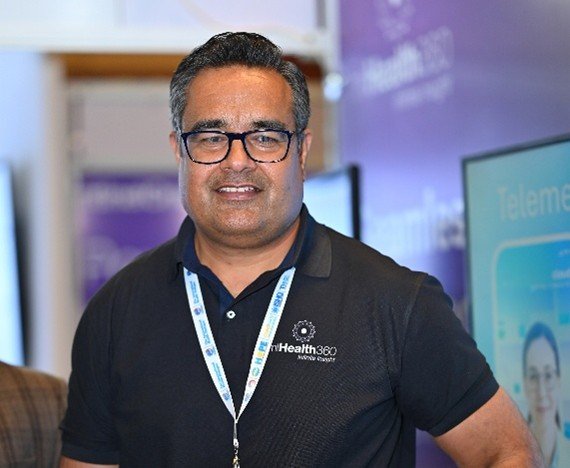
Kumar Surender Sinwar, Founder & CEO, mlHealth360 said, “AI is playing a transformative role in the field of radiology and medical imaging by enabling faster detection of critical abnormalities, improving diagnostic accuracy, and supporting clinicians in making timely decisions. As healthcare systems continue to manage increasing imaging volumes and demand for faster diagnosis, AI-powered technologies are helping streamline radiology workflows, reduce reporting delays, and improve overall healthcare efficiency. One of the key trends shaping the industry today is the integration of secure and intelligent imaging solutions into existing hospital infrastructure to assist healthcare professionals without disrupting clinical workflows. Technologies such as AI-assisted diagnostics, automated anomaly detection, and predictive imaging analytics are helping create a more proactive and data-driven healthcare ecosystem. Going forward, innovation in health-tech will continue to play a critical role in improving patient outcomes, accessibility, and operational efficiency across the healthcare sector.”

Kaushal Bheda, Director, Pelorus Technologies mentioned, “Four shifts are redefining digital forensics. First, the industry is moving from reactive investigations to proactive intelligence, anticipating threats rather than responding to them after the fact. Second, AI vision and voice capabilities are being harnessed to maximum effect, transforming what investigators can process at scale. Third, the era of standalone platforms is over. Investigation tools are now integrating and working in concert, delivering actionable outputs that was not possible before. Fourth, the investigating officers and the intelligence analysts are becoming more proficient. AI has democratized access to capabilities that were once the preserve of highly specialized units.”

Ashish Chandra, Global AI Thought Leader, Partner, Big 4 said, “Technology today is no longer being viewed only as an enabler of business transformation. It is increasingly shaping how economies grow, how institutions evolve, and how nations build long-term competitiveness. For India, this shift is particularly significant as the country moves beyond its traditional positioning as a technology services hub to becoming a builder of digital public infrastructure, AI-led platforms, and globally scalable innovation ecosystems. Artificial intelligence is accelerating this transition further. We are entering a phase where intelligent systems will not just automate processes but fundamentally influence how enterprises make decisions, optimise operations, and create value at scale. In this environment, leadership will be defined not only by technological capability but also by the ability to embed intelligence responsibly across real-world systems and public infrastructure.”
“India’s strength lies in the combination of engineering talent, entrepreneurial ambition, digital infrastructure, and strong policy momentum. Equally important is the growing focus on responsible AI, governance, cyber resilience, and trusted technology development, because the future of innovation will depend as much on accountability and trust as it will on scale and speed. National Technology Day is therefore not just a celebration of scientific progress but a reminder of India’s opportunity to help shape the next generation’s global digital economy through intelligent, future-ready, and trusted technology ecosystems,” replied Chandra.

Manish Mohta, Founder, Learning Spiral said, “The fast-changing fields of Artificial Intelligence (AI), digital/computer technologies, and cybersecurity are fundamentally improving the technology-focused economy of India. Developing digital public infrastructures, such as identity verification, payment acceptance, and government service delivery, has made it significantly easier for the public to access these types of services. Building digital public infrastructure, it will raise the overall digitalization levels across India, so systems and their respective data will become increasingly vulnerable across many regions within India. Therefore, we must find ways to incorporate both innovation and resiliency into our future so that India’s economy continues to grow at a sustained rate while being competitive on an international level and offering equality of access in this fast-changing digital economy.”

Prithiviraaj Shetty, Young Entrepreneur in Faith-Tech, Founder & CEO of Bhagavad Gita For All said, “On National Technology Day, the easy thing to say is that India is catching up. Because that isnt the right way to look at technology. India is not following Silicon Valley. We are building something else.We have always built technology. Just for a different layer. The Gita, yoga, and meditation are not philosophy. They are operating systems for the mind, shipped five thousand years before anyone wrote a line of code. The greatest technology India ever built was for the soul.What makes this moment different is that AI lets us deliver that wisdom at scale. In any language. The exact moment someone needs it. We built MyKrishna to do this. The Gita mapped to 2,500 life situations, used by a million people worldwide.India will not lead by mimicking. We will lead by combining what we built for the soul with what the world is building for the screen.”
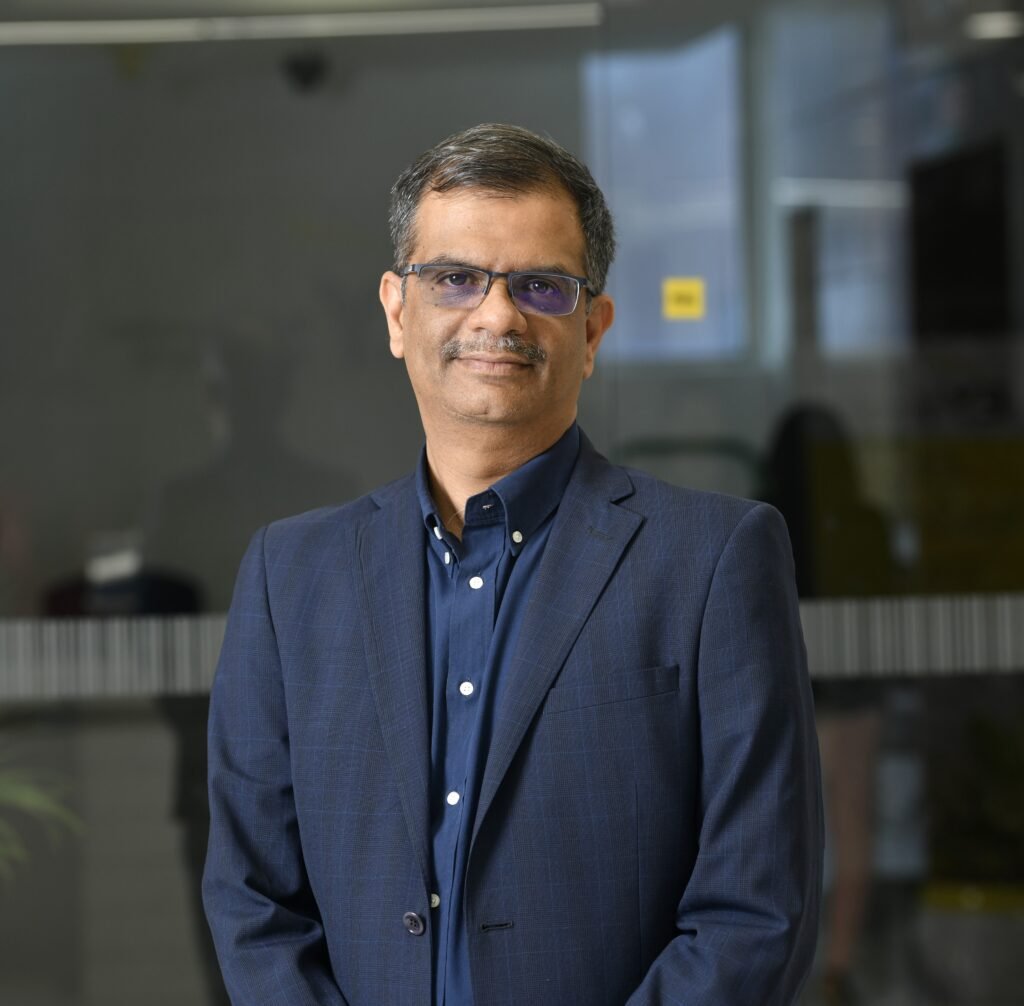
Mahesh Makhija, Partner and Technology Consulting Leader, EY India, commented, “AI is reshaping how enterprises operate at their core. The future is not about AI agents replacing people, but about humans and intelligent agents working together. Agentic AI is increasingly supporting teams by managing workflows, analysing data and enabling faster decisions, while humans provide judgment, context and accountability. This collaboration is driving efficiency and scale. At the same time, greater reliance on AI expands the cyber risk landscape. Cyber readiness must move in step with AI adoption, with security and governance built in from the outset. Sustainable value will come from combining human expertise with trusted, resilient AI systems.”

Manish Chasta, Co-Founder & CTO, Eventus Security said, “On National Technology Day, as India reflects on its journey from Pokhran to becoming one of the world’s fastest-growing digital economies, the conversation around Responsible Innovation feels more relevant than ever.AI is no longer experimental — it is rapidly becoming part of how organisations operate, scale, and make decisions. While this unlocks enormous opportunities, it also introduces new cyber risks that many organisations are still preparing for.The reality is simple: innovation cannot move faster than trust.As businesses accelerate towards AI-native systems, cloud-first operations, and digital ecosystems, cybersecurity can no longer remain just a compliance exercise. It must become part of the foundation on which innovation is built.We believe organisations can only innovate confidently when the infrastructure underneath is resilient, visible, and secure.”

Chaitra Vedullapalli, Co-Founder, Women in Cloud elucidated, “As we move towards adopting an AI-centric world one thing that comes to my mind is that how inclusive these emerging technologies would be. Our past experiences have taught us that for any technology wave to become successful we must democratise it. India’s next frontier in tech-led growth has to be inclusive for all so that we move together as a society. In the age of cybersecurity, it should not just benefit a few but must protect the subaltern class as well. The real success will be in how these technologies are helping the marginalised section of society. Keeping this in mind, we have launched our new initiative #FoundHerWorld which is designed to offer economic access to women entrepreneurs in tech. We have to convert visibility into real economic access for women founders building in the trillion-dollar AI-powered economy. The truth is that the future of the AI economy will be defined by whoever has access, not just who is seen. Our endeavour is to offer a level playing field to all and ensure that women founders move beyond visibility into real economic participation.”

Ritesh Kapadia, Field Chief Technology Officer, iLink Digital said, “Technology conversations today are becoming less focused on tools and more focused on behaviour. AI systems are evolving from passive platforms into active collaborators that can analyse context, trigger actions and support enterprise decision making. This shift is laying the foundation for AI first enterprises, where intelligence is embedded into everyday operations, workflows and business decisions rather than functioning as a separate layer of technology. As organisations move in this direction, AI agents are also beginning to play a larger role across customer engagement, internal operations and execution workflows. The focus is now on building connected systems that can respond intelligently while maintaining governance, adaptability and operational clarity. National Technology Day reflects an important moment in this journey for India. Enterprises are increasingly viewing digital transformation as part of their core operating strategy, with technology shaping how businesses adapt, respond and grow.”
About The Author