

Vertiv has introduced Vertiv™ Next Predict, an AI-powered predictive maintenance service aimed at transforming how modern data centers manage uptime and operational continuity amid rising complexity and growing AI workloads.
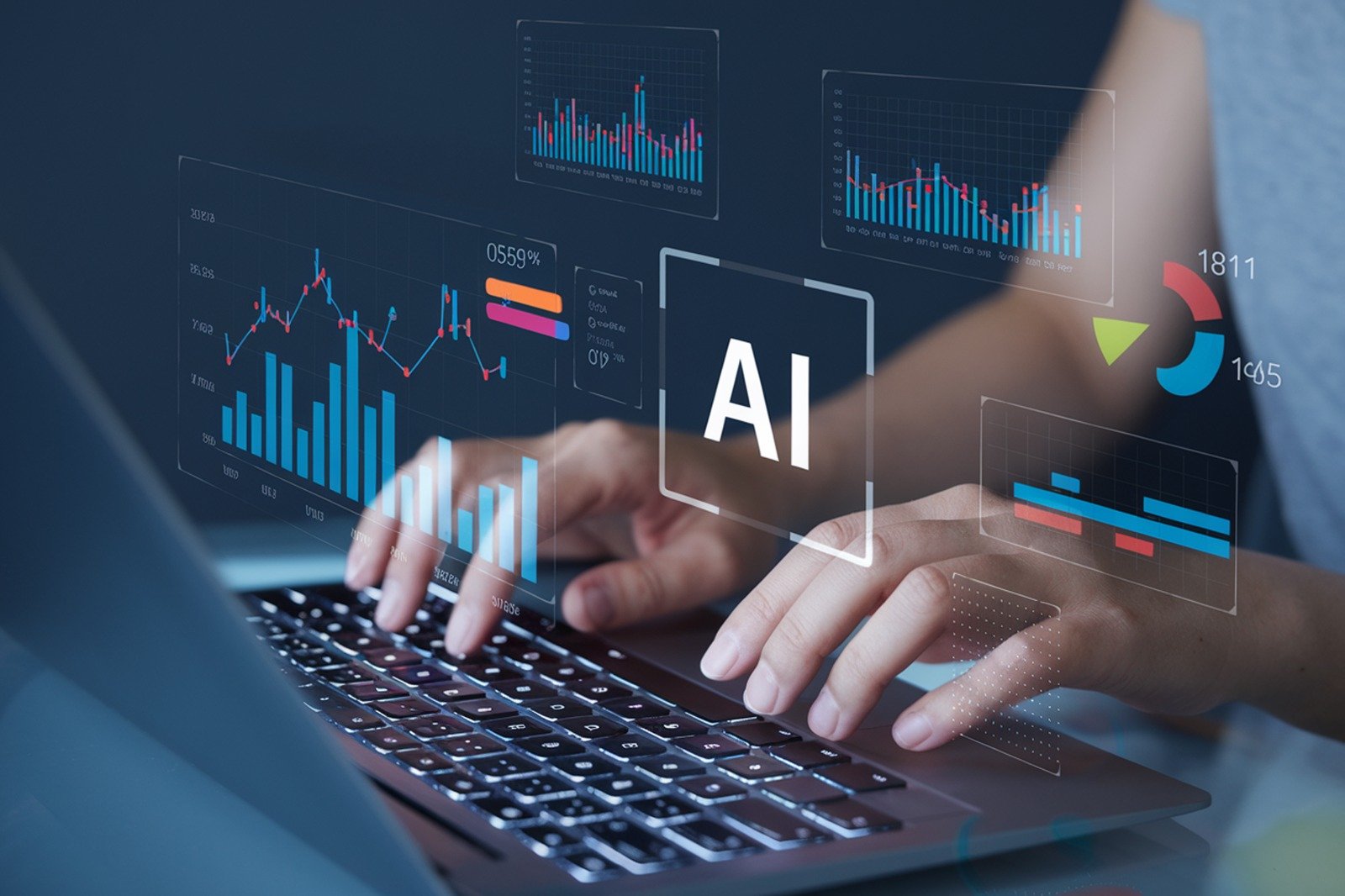
The new managed service moves beyond traditional calendar-based and reactive maintenance models by using advanced machine learning, anomaly detection, and real-time analytics to continuously monitor data center equipment and anticipate issues before they occur.
The platform analyzes asset behaviour across power, cooling, and IT systems, enabling risk prioritisation, early intervention, and prescriptive corrective actions delivered by Vertiv’s trained service personnel .
“As compute intensity rises and infrastructures evolve, data center operators need innovative technologies to stay ahead of potential risks. Vertiv Next Predict helps data centers unlock uptime, shifting maintenance from traditional calendar-based routines to a proactive, data-driven strategy. We move from assumptions to informed decisions, by continuously monitoring equipment condition and enabling risk mitigation before potential impacts to operations,” said Ryan Jarvis, Vice President of the global services business unit, Vertiv.
Vertiv Next Predict is part of the company’s broader integrated AI infrastructure portfolio, designed to build a unified, resilient platform for AI-driven data centers, supporting a wide range of Vertiv power and cooling technologies including battery energy storage solutions (BESS) and liquid cooling components. The service also features scalable architecture to integrate with future data center technologies as part of a holistic grid-to-chip service ecosystem.
As AI workloads reshape the data center landscape, facilities increasingly require deeper visibility and control across critical infrastructure to maintain uptime and performance at scale. Predictive maintenance and advanced analytics are positioned as essential tools to help organisations address these challenges and ensure operational continuity across distributed environments.
About The Author