


As the India AI Impact Summit 2026 concluded in New Delhi, it left behind more than applause and photo opportunities. It closed with a rare blend of global consensus and tangible commitments with a sweeping international declaration backed by 88 nations, multi-billion-dollar investment signals from technology majors, and a series of concrete MoUs that moved the conversation from ambition to implementation.
The centrepiece of the summit was the New Delhi Declaration on AI Impact, endorsed by 88 countries, positioning AI as a force for inclusive growth, democratic access and shared global responsibility. But what gave the declaration weight was what unfolded alongside it. While global leaders debated governance frameworks and ethical guardrails, state governments, academic institutions, UN bodies and technology corporations were busy signing agreements that could shape India’s deep-tech trajectory for the next decade.
One of the most significant state-level outcomes came from Andhra Pradesh, which signed multiple MoUs focused on artificial intelligence and quantum technologies. The state outlined its ambition to build a Quantum Valley in Amaravati and move toward establishing a dedicated AI and Quantum University ecosystem. Agreements were signed with organisations including IBM, UNICC, IIT Madras and NIELIT to advance AI skilling, research collaboration, living labs, and curriculum development. The intent was clear: build not just policy frameworks, but pipelines of talent and infrastructure that can support large-scale AI adoption across governance, industry and education.
IBM’s collaboration commitments focused on skilling initiatives and AI capacity building, while partnerships involving IIT Madras aimed at academic and research integration in advanced technologies. UNICC’s involvement signalled international institutional participation in strengthening digital governance and AI implementation support. NIELIT’s role underlined the government’s push to deepen AI literacy and digital workforce preparedness across the country. These were not symbolic signings; they were operational frameworks tied to workforce development, public sector innovation, and institutional capability.
Beyond state partnerships, the summit also witnessed strong signals from global technology leaders committing significant investments into India’s AI infrastructure and ecosystem development. Discussions around compute capacity, data infrastructure, AI research expansion and startup enablement dominated closed-door sessions.
The broader narrative emerging from the summit was that India is positioning itself not only as a consumer of AI technologies, but as a builder of infrastructure, a contributor to governance norms, and a training ground for AI talent at scale.
The summit also highlighted the shift from regulation-heavy discourse to development-focused action. While global debates around AI safety, bias and oversight continued, the New Delhi platform emphasised diffusion of AI benefits, especially for developing economies. The framework reflected India’s attempt to balance sovereignty, innovation and accessibility. The message was consistent: AI must not remain concentrated in a few advanced economies; it must be democratised.
As leaders departed from Bharat Mandapam, what remained was a layered legacy. At the top sat a multilateral declaration backed by 88 nations. Beneath it were bilateral and institutional agreements aimed at education, quantum research, skilling and public sector AI deployment. And underneath that, a broader economic signal that India intends to anchor itself firmly in the global AI value chain through partnerships, infrastructure and talent creation.
The AI Impact Summit 2026 therefore did not end as a symbolic diplomatic gathering. It closed as a convergence point where geopolitics, deep technology, state ambition and corporate capital aligned.
The declaration provided the philosophy; the MoUs provided the machinery. Together, they marked a moment where India’s AI aspirations met operational momentum and where global cooperation translated into local action.
Leaders Perspectives on AI Impact Summit 2026
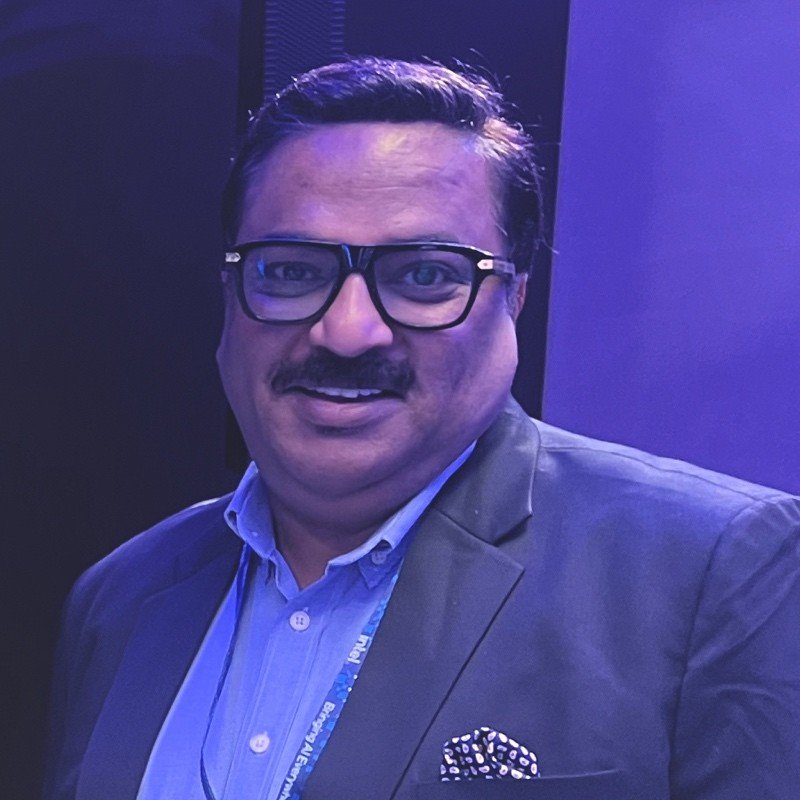
Amrish Pipada, Chairman and MD, Meganet Technologies Global said, “India is at the cusp of an AI revolution, driven by the Government’s strong push for digital sovereignty and rapid data centre expansion. By 2030, India’s capacity is projected to reach nearly 14 gigawatts, compared to just 1.35 gigawatt built over the past three decades. Although India generates almost 25 per cent of the world’s data, only around 2 per cent is stored domestically, creating immense opportunity for AI infrastructure, LLMs, and advanced computing to scale within the country.”
On the AI ecosystem and the Summit’s momentum, he added, “The Government has laid out a clear vision to position India as a global AI capital. The policy push is unprecedented and is encouraging investments that will transform not only urban innovation but also rural sectors such as agriculture, healthcare, weather, and education. Over the next five years, AI will significantly reshape both industry and daily life. While India has been a software leader, the focus is now on becoming a manufacturing hub. Under the PLI 2 scheme, we were awarded in 2023 and launched India-manufactured servers in 2024. We have begun producing both compute and AI servers locally, supporting the ‘Make in India’ vision and strengthening the country’s AI and data centre ecosystem.”
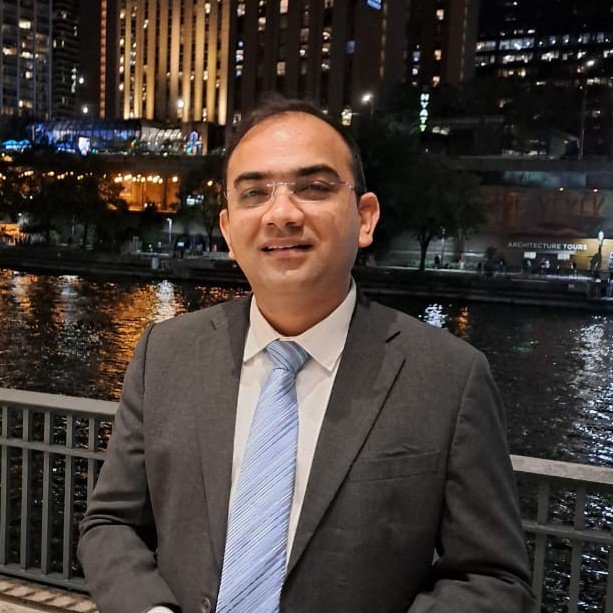
Deepak Dastrala, Chief Technology Officer, Intellect Design Arena Limited, said, “Intellect AI is an AI product and platform company under Intellect Design Arena, focused on banking, financial services and insurance. We have built a horizontal enterprise AI platform called Purple Fabric, a full-stack AI platform that enables enterprises to accelerate AI adoption and outcomes at scale. While many people are formally banked, there is still significant friction in accessing and fully utilising financial products and services. AI can bridge this gap for both the unbanked and underbanked by simplifying access through natural language and voice interfaces. For example, individuals can easily discover their eligibility for government schemes such as PM Jan Dhan Yojana and other benefits aimed at marginalised farmers and communities. By embedding AI into banking platforms, we can contextualise customer profiles with available products and government schemes, ensuring the right service reaches the right customer at the right time.”
He further stated, “Banking is a highly regulated industry, and we design our AI solutions with regulation as the starting point. While AI introduces complexity, we ensure our systems remain human-centric, with humans always in control of final decisions. We prioritise explainability, traceability and auditability so that every decision is transparent and compliant. In areas such as lending, AI can significantly reduce turnaround time while maintaining holistic and transparent decision-making. At the same time, it helps reduce human bias by consistently applying bank guidelines across cases. However, the final decision remains with authorised bank personnel. Our approach combines the strengths of AI and human judgment to deliver faster, fairer and more transparent outcomes.”
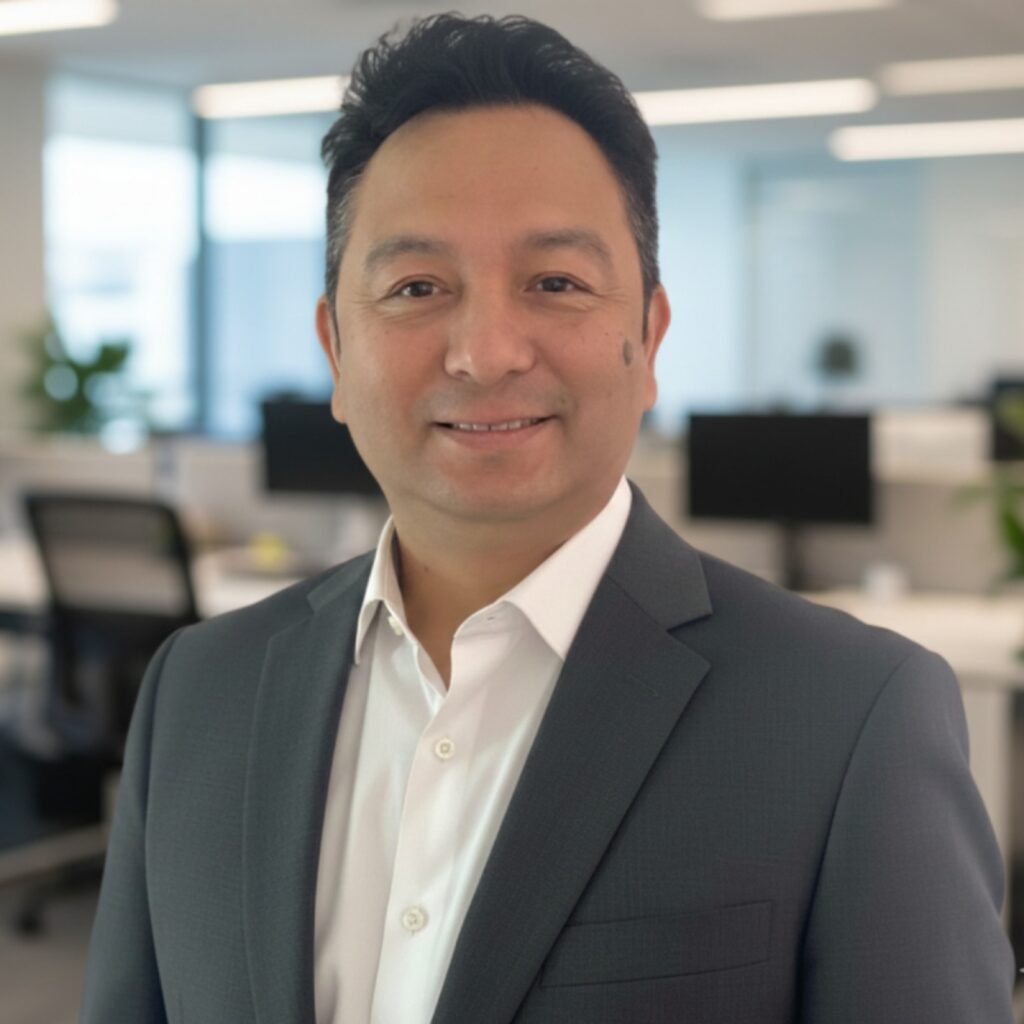
Pankaj Thapa, CEO and Co-Founder, Mirror Security, explained, “The biggest barrier to AI adoption today is data exposure risk. Highly regulated industries such as finance, legal, healthcare, government and defence hesitate to adopt AI because they must share sensitive data with AI models. This creates serious concerns around confidentiality and compliance. We address this challenge through encrypted AI inference and encrypted AI memory. All prompts, context and AI pipelines remain encrypted, and AI operations are performed directly on encrypted data. We also enable encrypted search, allowing organisations to leverage AI intelligence without exposing their data. We call this approach cryptographic sovereignty, which complements sovereign AI by ensuring not only that data resides within the country, but that it remains fully secure and under the organisation’s control.”
He added, “The primary challenge is building trust among regulated industries that traditionally prefer on-premises deployments. While they are willing to invest heavily in such models, we offer a secure alternative that reduces cost while maintaining full data control through cryptographic integration. To strengthen trust and scale adoption, we are partnering with AI infrastructure providers, including Yotta, and other sovereign AI providers in India and globally. These collaborations help us deliver secure, compliant and cost-effective AI solutions for regulated sectors.”
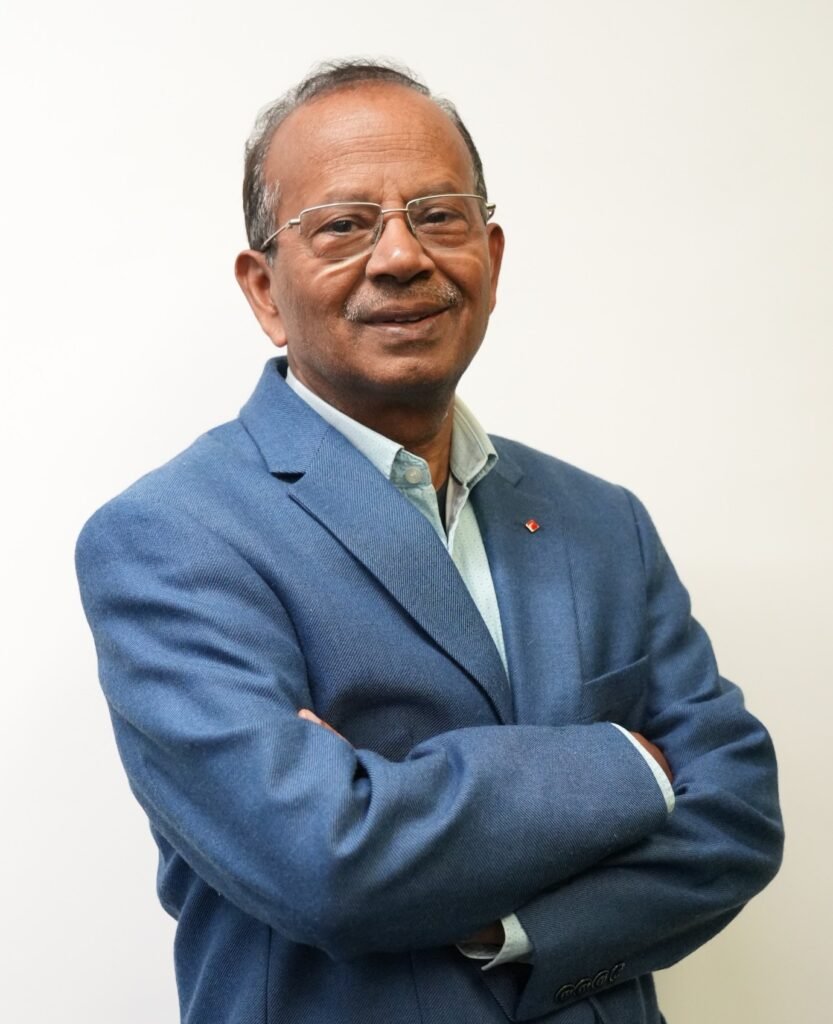
Nagendra Nath Sinha, Managing Director, Rodic Digital & Advisory, said, “For AI to remain inclusive in a diverse country like India, global technology companies must partner with Indian startups and technology firms rather than impose standardised models developed for other markets. India’s linguistic, cultural and socioeconomic diversity requires AI systems trained on datasets that genuinely reflect its population. Without contextual collaboration, bias and exclusion are likely to persist. Rodic Digital & Advisory brings over 25 years of implementation experience across infrastructure and healthcare. We have delivered projects nationwide in highways, bridges, tunnels, metros, rail, hydropower, renewables and urban infrastructure. In healthcare, we manage a large-scale, fully paperless public health system in Bihar covering around 14,000 facilities and nearly 13 crore citizens, with 1.25 to 1.5 lakh daily footfall across IPD and OPD services. Our deep domain data, end-to-end digitisation and AI-enabled collaboration platforms strengthen public sector efficiency. We are also building AI capabilities internally while expanding into mining and agriculture.”
On the AI Impact Summit and India’s AI ecosystem, he added, “The Summit has increased awareness of AI’s potential and reduced pessimism around the IT sector. The gap between AI’s potential and current implementation is still large, offering significant opportunity for Indian technology companies. The key priority is large-scale digitisation and access to high-quality data. With strong datasets and continued innovation, India can develop faster, more effective AI solutions and strengthen its global position in AI-driven domains.”Top of Form

Vikram M. Raichura, Founder & CEO, Helo.ai, said, “Helo.ai is a CPaaS company based in India, working across SMS, RCS, WhatsApp, Email and Voice. We see Voice AI as the next major shift in digital communication. India has 21 prominent languages and thousands of dialects, making Voice AI a powerful barrier breaker. Technologies such as translation, transliteration, speech-to-text and text-to-speech can create seamless, localised user experiences. For instance, banks can automatically communicate with customers in their preferred language based on behavioural insights, making interactions more meaningful and effective. Voice AI can deliver measurable impact by empowering farmers with real-time information on crops, seeds, pesticides and sowing seasons in their regional language. It can also support students in learning and accessing information directly through voice-enabled applications, even in low-connectivity environments. By removing language and access barriers, Voice AI enables inclusive participation and practical problem-solving at scale.”

Kumar Surender Sinwar, Founder & CEO, mlHealth360, said, “mlHealth360 is a global health tech company focused on building trusted AI solutions for healthcare. Our core expertise lies in medical imaging AI, particularly in brain health, where we deploy both invasive and non-invasive diagnostic technologies across North America and Asia-Pacific. Our strength lies in early and deep collaboration with medical practitioners, institutions and regulatory bodies. In every jurisdiction we operate, we co-develop solutions from ideation to deployment with clinicians. This ensures precise, trusted and evidence-driven AI systems that augment medical professionals, improve turnaround time and enhance patient outcomes rather than replace human expertise.”
On inclusive AI in emerging markets, he added, “India’s scale and demographic diversity position it uniquely in the global AI landscape. The country generates highly diverse healthcare datasets that can drive inclusive and evidence-based innovation. To avoid digital inequality, global companies must collaborate closely with regional stakeholders, align with regulatory frameworks and co-develop compliant, data-driven solutions tailored to India’s ecosystem. India has been a key market for us over the past few years. Through this platform, we aim to strengthen local partnerships and work with like-minded institutions to address complex healthcare challenges in areas such as radiology and oncology. As an Indian, contributing to improving healthcare outcomes in the country remains a core priority for us.”

Ishwar Kumhar, Co-founder & CEO, Brandworks Technologies, said, “Emerging markets do not need adapted versions of global AI; they need regionally aligned, cost-effective and infrastructure-sensitive solutions. To prevent digital inequality, global technology firms must collaborate with local ecosystems, support domestic manufacturing and enable countries like India to design and own AI-enabled solutions. AI must be built around people through localised datasets, culturally aware language models and inclusive design. Our AI-native hardware portfolio, including AI Voice Recorder, AI Speaker and AI Glasses, delivers multilingual, voice-first intelligence to expand access to essential services. Accessibility must be embedded from the start.”
He said, “We measure AI success by real-world outcomes, not just technical metrics. By combining ethical AI, sustainability and clearly defined impact indicators with technical KPIs, we ensure our solutions remain inclusive, scalable and economically meaningful.”
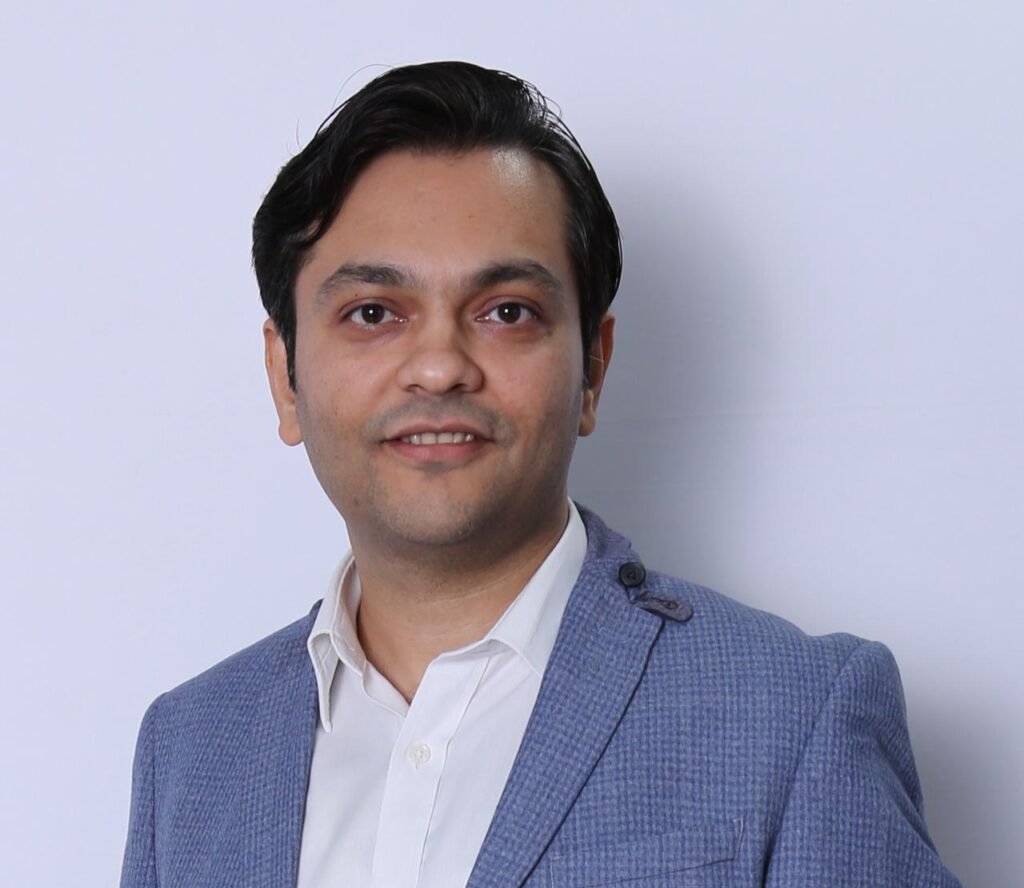
Rahul Sheth, Chief Marketing Officer, BUSINESSNEXT, said, “Inclusive AI must be built for comprehension, not just connectivity. In India, citizens deal with complex, multilingual documents such as government forms and bank notices. Global technology companies must design AI for multilingual and multimodal access from day one, leveraging multilingual LLMs and Vision Language Models to ensure contextually accurate, culturally relevant outputs that work in low-bandwidth, mobile-first environments.”
He added, “A farmer should be able to upload a scanned scheme notice, ask about eligibility in Malayalam, and receive a clear response. That is inclusive AI in action. Technology firms must enable native-language voice and text interaction, simplify complex documents, and reduce cognitive load. Through Autonomous Financial Services, we combine Agentic AI for proactive guidance, Predictive AI for personalisation, and Generative AI for clear explanations in the customer’s preferred language. When customers can understand and act without intermediaries, AI becomes an empowerment layer that bridges access, comprehension and trust at scale.”
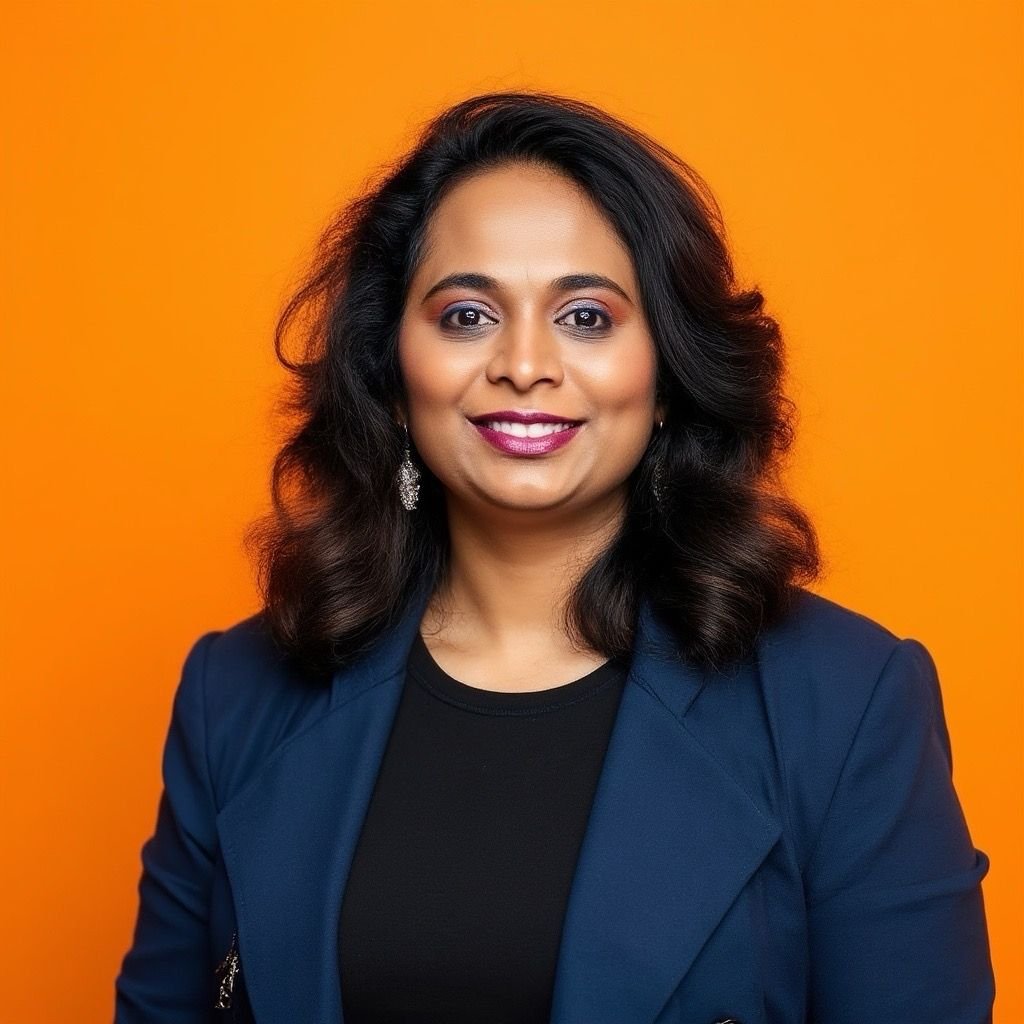
Chaitra Vedullapalli, Co-founder, Women in Cloud, said, “Inclusive AI requires intentionally designed access. Our 2026 Economic Access Research Report shows that inequality in the AI economy is not about talent, but about access to certifications, cloud credits, capital, distribution channels and policy inclusion. Global technology companies must move from deploying AI to democratising AI opportunity through skilling programmes tied to verified credentials, marketplace access, entrepreneurship enablement and apprenticeship-to-employment pipelines. Inclusive AI is infrastructure, not charity, and India can lead through public-private collaboration and measurable impact frameworks.”
She added, “We measure AI success by economic mobility, not model performance alone. We apply three filters: income uplift within 12 to 24 months, credential pathways linked to industry certifications, and market access that connects entrepreneurs to paying customers. Without job creation, revenue generation or expanded access, AI innovation lacks real impact. The true benchmark in the AI economy is prosperity per person.”
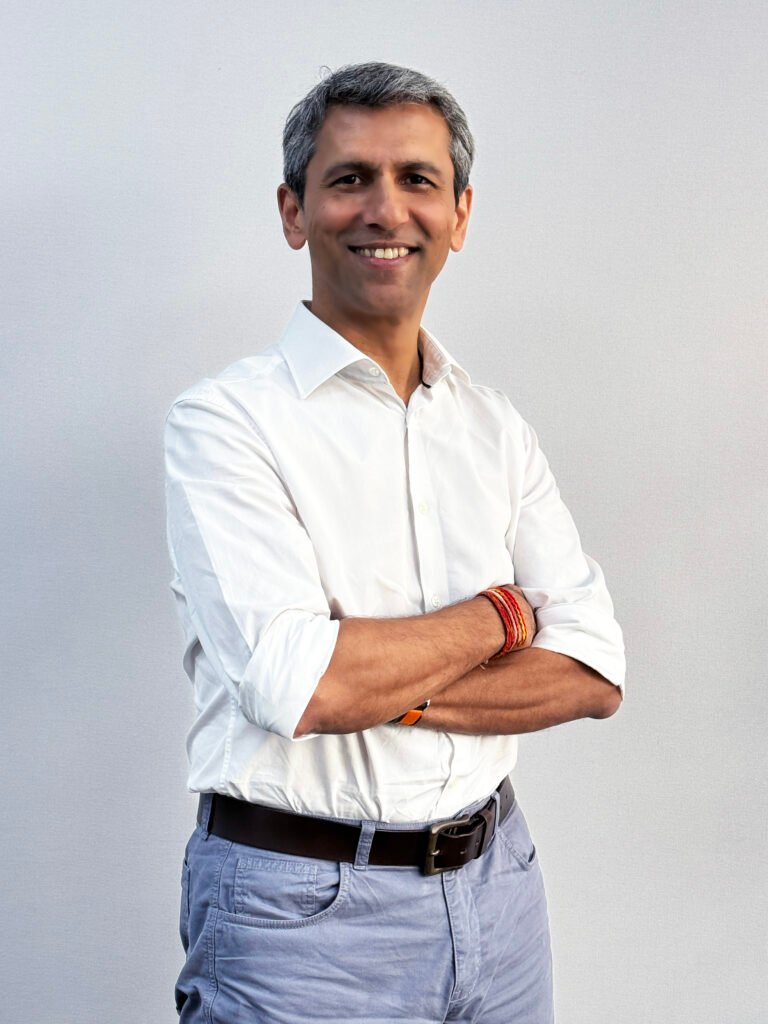
Jayant Rastogi, Global CEO, Magic Bus, said, “We embedded technology at the grassroots level to ensure credibility and real-time monitoring of our programmes. Earlier, data took months to compile; today, we receive real-time insights that help us quickly refine and strengthen delivery. Over time, we have built layered, frugal technology systems that have made us one of the most automated NGOs in India.”
On AI and the AI Impact Summit, he said, “We use AI to improve internal efficiencies, and we are training 1.5 to 1.6 lakh youth this year to prepare them for the AI-driven economy. Our focus is on contextualising AI for marginalised communities, where classroom realities differ significantly. At the Summit, we are seeking partnerships with technology companies to co-create inclusive, scalable AI solutions that address India’s grassroots challenges.”

Prithviraaj Shetty, Founder & CEO, Bhagavad Gita for All (BGFA), said, “India’s accessibility challenge is not language translation, but context translation. Converting content into Hindi or Tamil is not enough if it is designed for a Western mindset. At BGFA, we spent four years interpreting the Bhagavad Gita into modern life situations before applying AI. Indian languages are not a localisation problem; Indian knowledge systems require culturally rooted content architecture built from the culture outward.”
He added, “We measure not just engagement, but behavioural and emotional transformation. Through MyKrishna, we track over 50 markers to assess whether users shift from reactive thinking to steadier decision-making. AI benchmarks often focus on speed or model size, but if you are building for human wellbeing, the real metric is change in the human. Did the user gain clarity, resilience and self-awareness? That is impact.”
About The Author